March 31, 2026
How Control Panels Power Automated Manufacturing Systems
From power distribution to safety management, control panels are the coordination point that keeps automated production running reliably.
- Control panels coordinate power, logic, and safety across automated manufacturing. A single panel failure can halt an entire production line.
- Industrial control panels consolidate PLCs, drives, breakers, and safety relays into one enclosure, reducing failure points and simplifying maintenance.
- Unplanned downtime accounts for roughly 11% of revenue for top manufacturers, making reliable panel design a direct business priority.
- Panels built to UL 508A and NFPA 79 standards and validated through Factory Acceptance Testing perform more reliably throughout their service life.
- Poor panel design, inconsistent layouts, missing documentation, and inadequate thermal management are leading causes of preventable production downtime.
- As OT connectivity grows, control panels sit at the intersection of machine safety and network security, requiring tighter alignment between controls and IT engineering.
Modern manufacturing depends on machines that operate at speed, with precision and limited manual intervention. Control panels sit behind automated lines, coordinating power, logic, and safety.
They connect sensors, motors, and software into systems designed to operate continuously at industrial scale.
When designed correctly, panels enable consistent production with fewer interruptions. When designed poorly, they become single points of failure across entire lines. This contrast explains their importance in automated manufacturing.
Why Control Panels Matter in Automated Manufacturing
Automated factories rely on coordinated hardware. Control panels manage drives, logic, and safety across equipment. They connect motors, sensors, PLCs, and operator interfaces. A single panel failure can halt production.
“A single panel outage can halt an entire process, which is why reliability has become a core design requirement,” says the lead EOSYS controls engineer.
Downtime carries measurable costs. Siemens reports unplanned stops now account for roughly 11% of revenue for top manufacturers. Cisco survey data shows nearly two‑thirds of manufacturers increased automation spending last year. Reliable control panels are a prerequisite for operating at scale.
What Control Panels Do
Industrial control panels are custom assemblies of relays, breakers, PLCs, and drives that power and control machines. They consolidate critical functions within a single enclosure.
- Power distribution and protection: Panels route electrical power through breakers and fuses to motors and controllers. Proper wiring and protection reduce damage from overloads and short circuits.
- Automated control: PLCs and relays execute logic, sequencing, and motion tasks. Automation reduces manual intervention and enables consistent throughput.
- System monitoring: Panels collect electrical and process signals like level, flow, pressure, and temperature. Sensors and meters detect faults early, supporting maintenance planning and avoiding unplanned shutdowns.
- Safety management: Emergency stops, safety relays, and interlocks protect personnel and equipment. These devices enforce required safe states and meet machine safety codes.
- Operator interface: Panels often include HMIs or physical controls. Operators can view system status and adjust settings directly at the machine.
Together, these elements allow panels to execute PLC logic and coordinate field devices to run, monitor, and protect automated processes.
Control Panels as the Coordination Point of Automated Systems
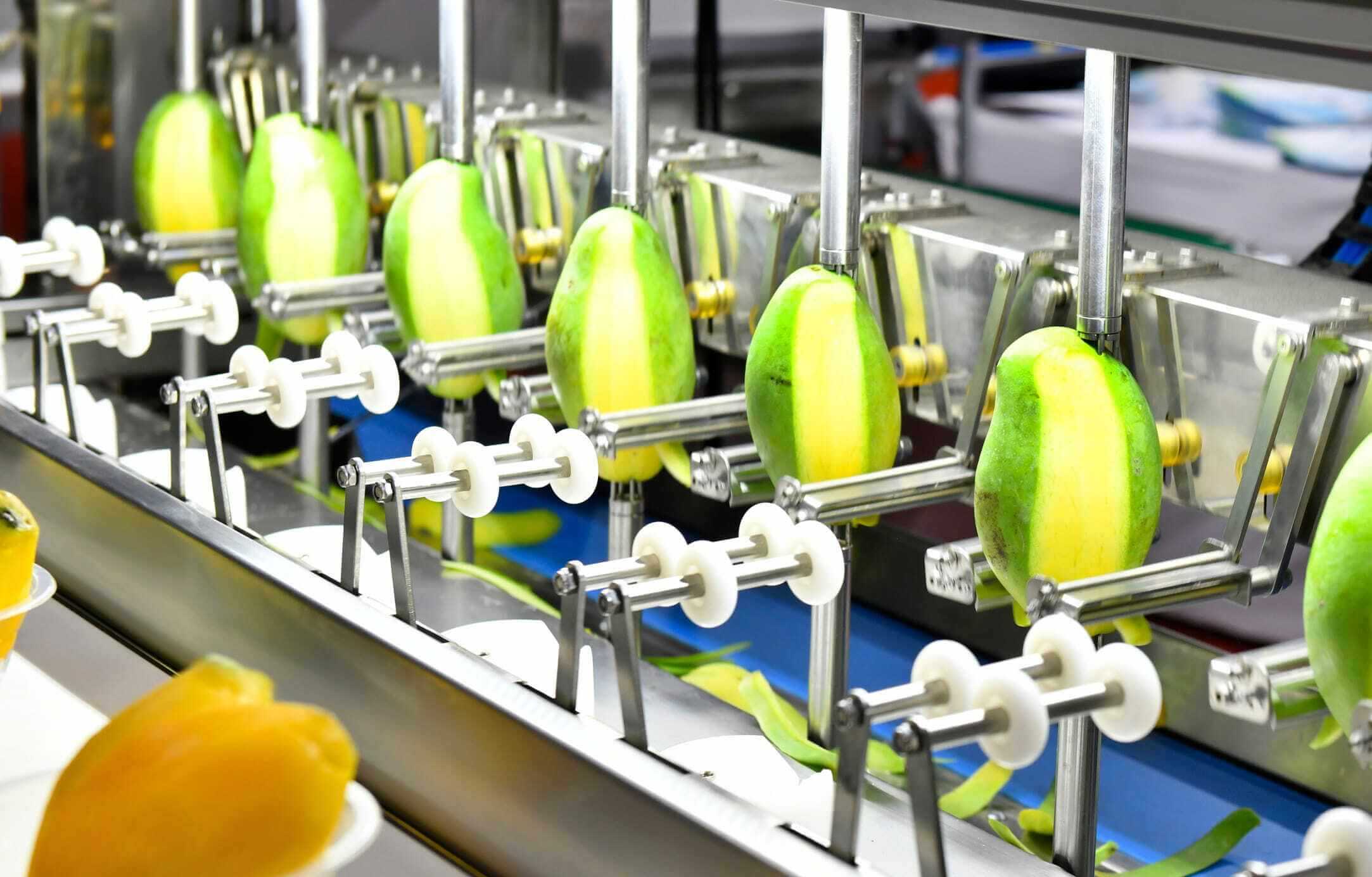
Control panels connect conveyors, robots, presses, and auxiliary equipment into unified systems. Sensor and switch inputs feed controllers, which then issue commands to motors, valves, and actuators.
For example, when a conveyor sensor detects a fault, the panel logic stops motion immediately. These responses enforce defined safety states.
Panels also connect to plant networks. Many include Ethernet switches or gateways that pass data to SCADA and OT systems. This connectivity allows operational data to be used across production systems.
Because panels coordinate safety, power, and logic, failures or security incidents can affect multiple machines at once. Their role requires disciplined design and protection.
Why Engineering Discipline Determines Performance
Panel reliability depends on engineering rigor. Design decisions affect uptime, safety, and maintainability.
Panels must comply with standards like NFPA 79 and UL 508A.
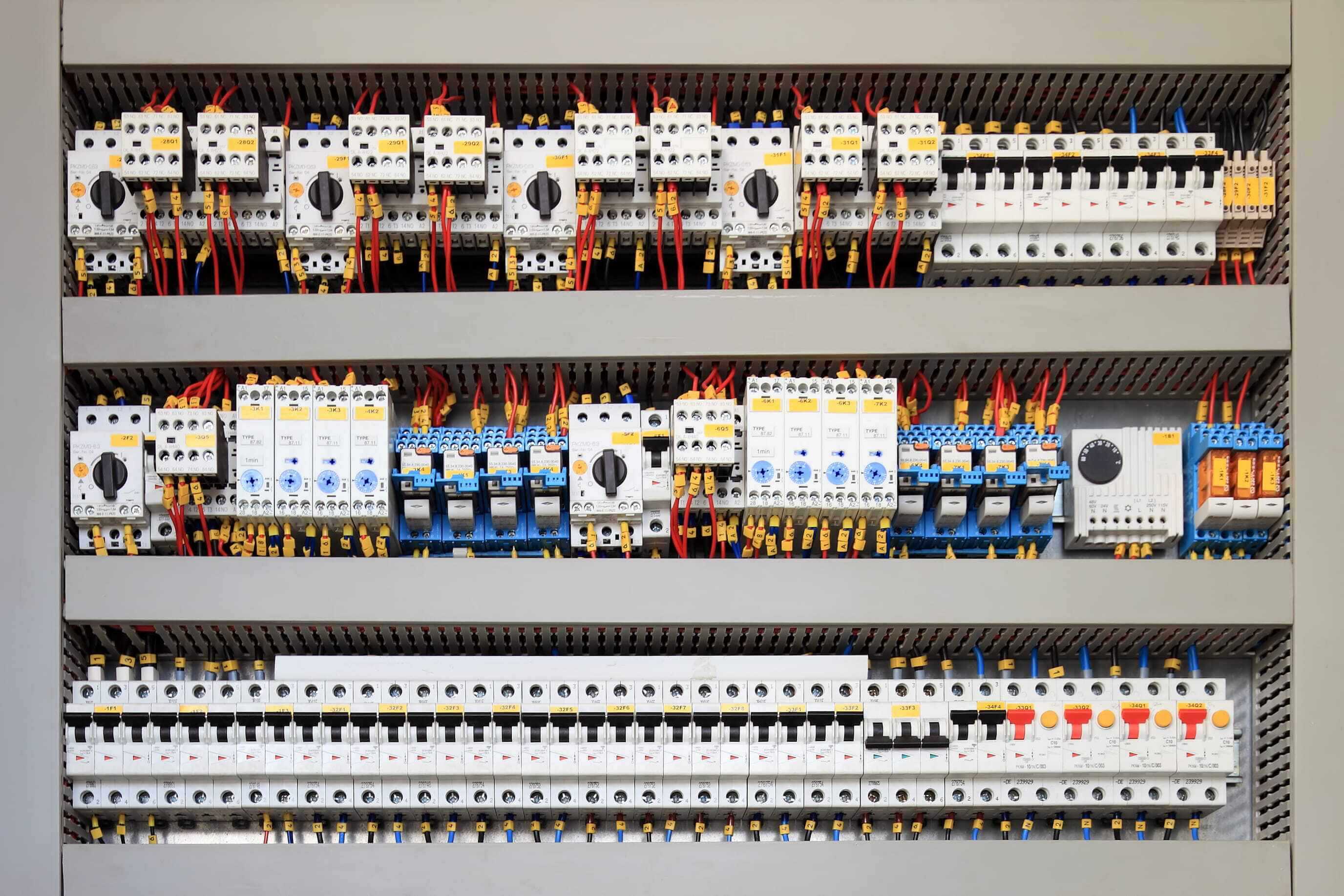
Control panel builders must meet requirements defined in standards such as NFPA 70, NFPA 79, UL 508A, and UL 698A to reduce electrical risk and avoid regulatory or insurance issues. Integrators such as EOSYS follow these standards when designing and fabricating panels for industrial environments.
Design discipline also includes layout and documentation. Detailed CAD drawings and bills of materials reduce errors. Proper spacing, wire routing, and labeling support maintenance access and thermal control.
Precise design, adherence to industry standards, and rigorous testing are widely recognized as essential to reducing control panel failure rates. Integrators such as EOSYS, which builds panels for a range of industrial environments, conduct Factory Acceptance Testing (FAT) to validate performance before shipment, including for units intended for hazardous locations or cleanroom applications.
Panels built to documented standards and tested are more likely to operate reliably throughout their service life.
Common Pitfalls That Lead to Downtime
Most unplanned outages don’t come from catastrophic failures. They come from small, preventable weaknesses baked into the panel from day one. When designs vary by site, documentation lags behind reality, and basic serviceability is overlooked, even minor faults can lead to extended shutdowns.
These issues compound across connected machines, driving up repair time, safety risk, and long‑term maintenance costs.
- Downtime: Inconsistent designs and poor layouts increase failure frequency across connected machines.
- Mean time to repair (MTTR): Missing labels and inaccurate schematics slow troubleshooting during faults.
- Safety integrity: Incomplete safety circuits, loose terminations, and grounding errors compromise required safe states.
- Component life: Overcrowding and poor thermal management accelerate wear.
- Network reliability: Improper routing and unmanaged switches introduce intermittent communication failures.
- Scalability: Panels built without expansion capacity require shutdowns for later modification.
- Design inconsistency across sites: Variations prevent standard troubleshooting and slow response.
- Documentation gaps: Outdated drawings increase repair time and error risk.
- Limited maintainability planning: Panels that ignore service access or future needs restrict plant adaptability.
Industry Insight on Panel Standardization and Evolving OT Requirements
Field observations highlight the value of standardized panel layouts for multi‑site operations, where consistency improves technician efficiency and reduces downtime.
The growing presence of networking hardware inside enclosures underscores the need for tighter alignment between controls engineering and OT networking practices.
“We see better long‑term performance when documentation is maintained, startup checks are thorough, and panels are reviewed on a regular schedule,” said an EOSYS project manager.
Lifecycle activities, such as documentation updates, commissioning assistance, and periodic audits, continue to influence overall system reliability.
What to Look for in a Control Panel Partner
Choosing the right panel partner determines how reliably your equipment performs over its entire lifecycle. Strong partners bring discipline, documentation, and technical depth that prevent failures, simplify maintenance, and ensure every panel meets the demands of modern automation.
Documented Engineering Standards: Partners should follow formal quality systems and maintain detailed CAD and BOM practices. Certifications like UL 508A or CE indicate compliance with safety requirements.
Repeatable Build Quality: Experience with similar applications is essential. Dedicated panel shops with established processes produce consistent results.
Technical Support and Lifecycle Services: Installation, commissioning, and maintenance support reduce startup risk. Partners should address networking and cybersecurity considerations within panels.
Automation Networking and Safety Expertise: Panel builders must understand IT/OT coordination and applicable electrical and safety standards.
Control Panels in Automated Manufacturing
Control panels coordinate power, logic, and safety across automated production. When engineered with discipline, they help to ensure predictable operation and reduce interruption risk.
Poorly designed panels introduce failures and safety exposures. Given the cost of unplanned downtime, design details matter.
Treating control panels as engineered systems enables long-term operational reliability.
Contact Us
Eliminate Design Drift to Reduce Downtime Risk.
Essential FAQs for Understanding Industrial Control Panels
Industrial control panels manage power, logic, safety, and communication across machines. They serve as the central hub, ensuring automated systems operate reliably, safely, and at the necessary production speed.
Poor layouts, congested wiring, incomplete documentation, and inconsistent builds create failure points that delay troubleshooting and increase unplanned downtime. Minor design flaws can escalate across interconnected equipment.
Panels need updated documentation, regular inspections, and startup verification to remain reliable. Without ongoing support, wiring changes, component aging, and configuration drift raise the risk of faults.
Reliable panels comply with NFPA, NEC, and UL standards to ensure electrical safety, protection, and insurability. Compliance reduces risk, improves uptime, and supports consistent performance across facilities.
Standardized layouts, labeling, and documentation enable technicians to troubleshoot quickly, reduce training time, and maintain equipment consistently. Uniformity improves uptime and lowers long-term maintenance costs.