April 23, 2026
The Automation Shifts Reshaping Food and Beverage Manufacturing
Operations teams confront labor volatility, SKU expansion, and traceability demands by strengthening control and architecture.
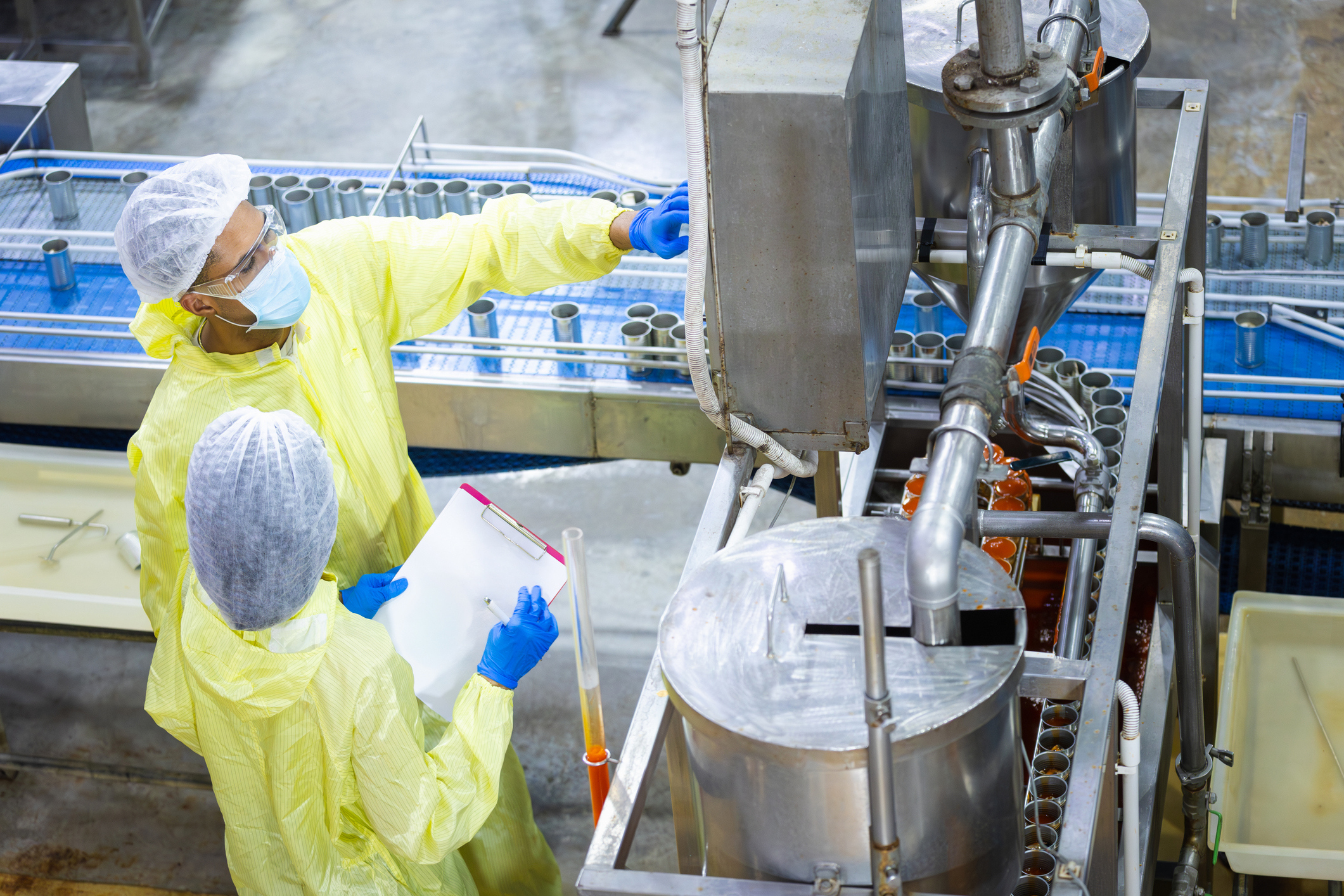
Food and beverage plants are under constant pressure to maintain output while managing labor shortages, SKU growth, and tighter traceability requirements. Automation is shifting from a modernization initiative into an operating discipline.
Most facilities are not starting from scratch. The challenge is making existing systems operate reliably together.
Plants that show measurable improvement are tightening process control, standardizing data, and modernizing in phases. Others continue adding tools without reducing operational risk.
The Pressures Driving Automation Decisions
Operations leaders face increasing pressure on the plant floor. Workforce instability, product complexity, and regulatory accountability are shaping how automation decisions are made.
Labor Instability is Exposing Weak Control Design
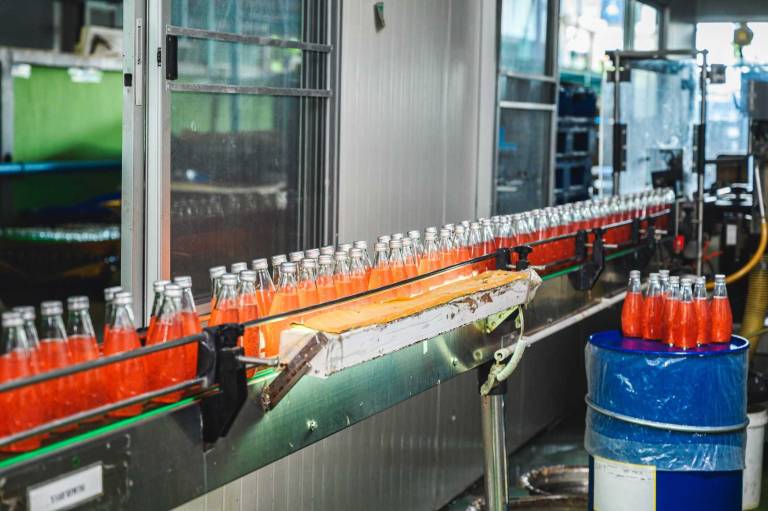
Labor shortages continue to expose weaknesses in manual production processes. When experienced operators leave, process knowledge often leaves with them. Manual adjustments, informal sequencing, and undocumented checks quickly turn into production risks.
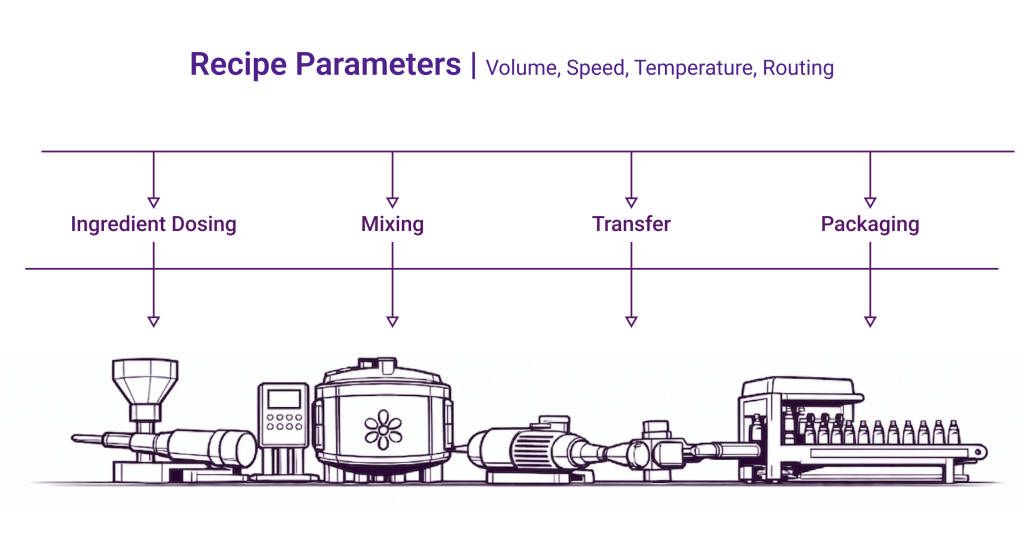
Structured control provides stability. Recipe-driven configuration inside programmable automation controllers (PACs) ensures validated parameters are applied consistently. Embedded pre-start validation reduces format and setup errors before product runs.
This approach does not replace the workforce. It reduces variability. Lines that depend on operator recall tend to drift. Lines that embed process logic remain stable.
SKU Growth is Reducing Effective Capacity
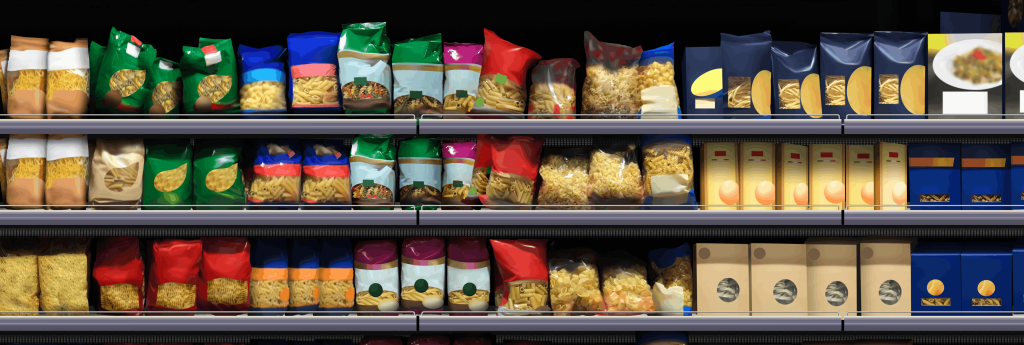
Product variety continues to expand across food and beverage and consumer packaged goods (CPG). High-mix production is now common, and smaller runs increase the number of changeovers.
PMMI Business Intelligence's 2024 Snack Foods Packaging Trends report highlights the scale of this shift. The report shows continued growth in packaging types and SKU sizes driven by variety packs, single-serve formats, and changing retail channel requirements. Nine out of ten respondents expect to increase machinery investment over the next three years and cite SKU expansion as a primary driver.
Mechanical capability is rarely the true constraint. Configuration risk usually limits throughput. A thirty-minute changeover repeated daily quickly becomes a structural capacity issue.
Flexible automation environments rely on centralized recipe management and clearly separated control logic. Motion, timing, and fill parameters adjust through validated selections instead of manual resets. When changeovers feel fragile, architecture is usually the cause rather than equipment.
Flexibility comes from disciplined control design. It cannot be delivered solely by hardware.
Traceability is Now a System Requirement

Food manufacturers continue facing tighter regulatory expectations. The Food and Drug Administration (FDA) Food Traceability Rule reinforces what quality teams already recognize. Traceability must be designed into the production system.
Lot genealogy must connect ingredient receipt, batch execution, packaging events, and shipment records. Manufacturing execution systems (MES) must align with supervisory control and data acquisition (SCADA) platforms so timestamps and process parameters remain defensible.
Reporting software cannot correct weak integration. Data structure solves that problem. Food safety automation works best when compliance is embedded directly in control logic.
A yogurt facility operating organic, non-GMO, and conventional product lines clearly illustrates the issue. Preventing contamination between classifications required ingredient tracking and safety zone separation, built directly into the control architecture. The traceability record naturally followed from the system design rather than from documentation added afterward.
See where control risk is hiding in your plant. Get a quick stability review.
What’s Proven in 2026
Production teams must improve performance without interrupting running lines. Most measurable gains now come from stronger integration and disciplined control.
Flexible Automation is a Control Strategy
Food and beverage plants are under constant pressure to maintain output while managing labor shortages, SKU growth, and tighter traceability requirements. Automation is shifting from a modernization initiative into an operating discipline.
Most facilities are not starting from scratch. The challenge is making existing systems operate reliably together.
Plants that show measurable improvement are tightening process control, standardizing data, and modernizing in phases. Others continue adding tools without reducing operational risk.
Connectivity alone does not deliver flexibility. Structured control architecture enables it.
Legacy Systems Still Run The Plant
Many facilities operate with equipment installed over long periods of time. Mixed original equipment manufacturer (OEM) environments are common. SCADA systems that have run reliably for fifteen years are difficult to justify replacing when downtime risk is high.
Phased modernization often works better than full replacement. Middleware can translate legacy SCADA data into formats MES platforms can use. Visibility improves while operations remain stable.
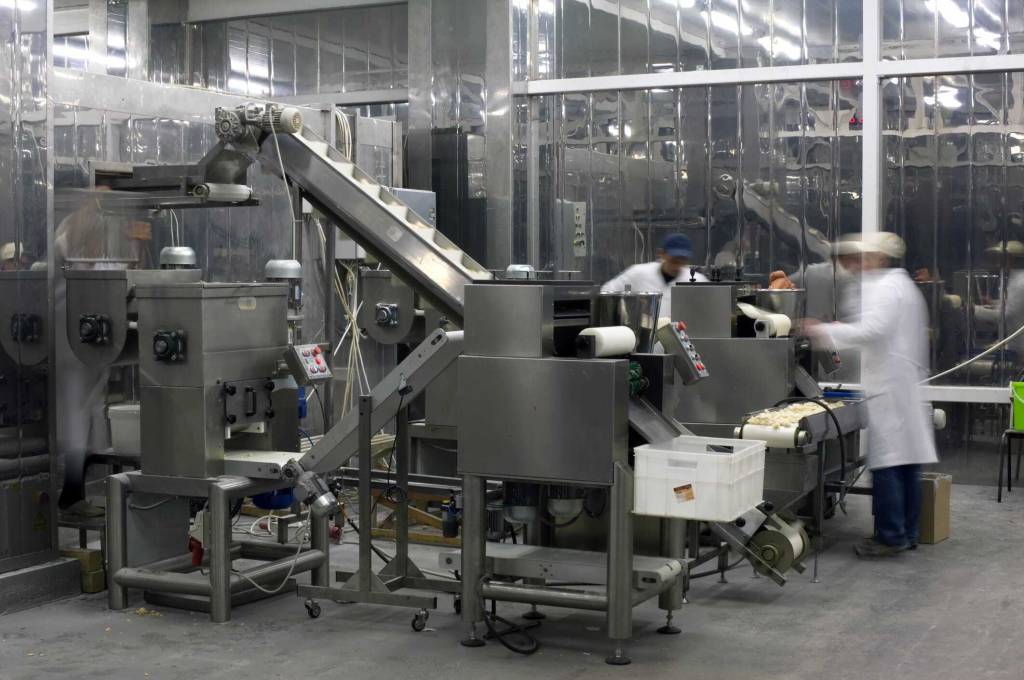
A network assessment at a major distillery illustrates the challenge. Six bottling and packaging lines had developed gradually over time. Eight different switch manufacturers existed across the network.
Configuration standards were inconsistent, and undocumented changes had accumulated across shifts.
One panel failure caused multiple lines to shut down, resulting in 12 hours of downtime. That incident made the need for restructuring clear.
The solution was not a complete replacement. Engineers implemented a standards-based redesign during scheduled weekend shutdowns. Updates occurred line by line until the network supported centralized asset management, proper line separation, and a path toward enterprise connectivity.
Bottling operations continued running throughout the transition.
EOSYS can build the integration path you need.
Edge Computing is Improving Response Time
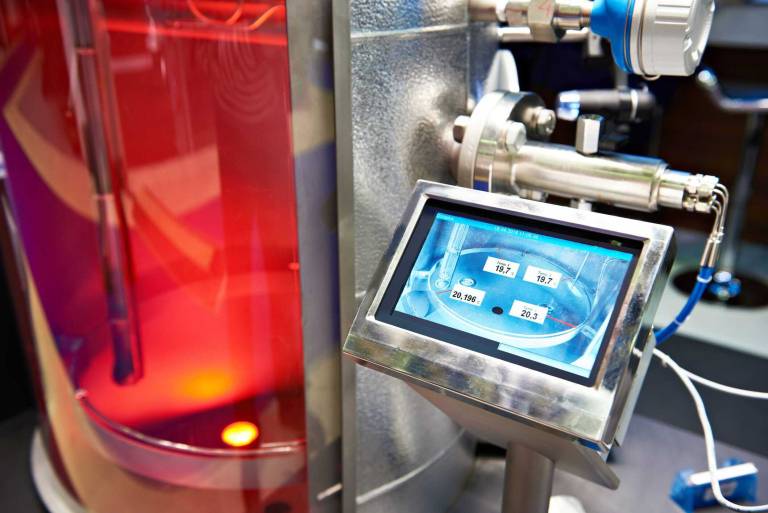
Production environments require immediate response when process conditions drift. Cloud analytics support reporting, but they do not provide real-time control. Temperature variation in thermal processing or fill-level deviations on high-speed lines can quickly affect yield.
Edge computing processes data directly at the equipment level. Filling and thermal processes benefit from rapid deviation detection and correction before yield loss accumulates.
Edge processing also strengthens hazard analysis and critical control points (HACCP) enforcement, where response time matters.
Adoption remains targeted. High-throughput operations benefit the most because small deviations directly influence margins.
Where ROI is Coming From
Automation investments must produce measurable operational improvements. Throughput stability, labor efficiency, or compliance confidence must increase. Projects that fail to deliver those results rarely pass capital review.
Enterprise Visibility That Changes Decisions
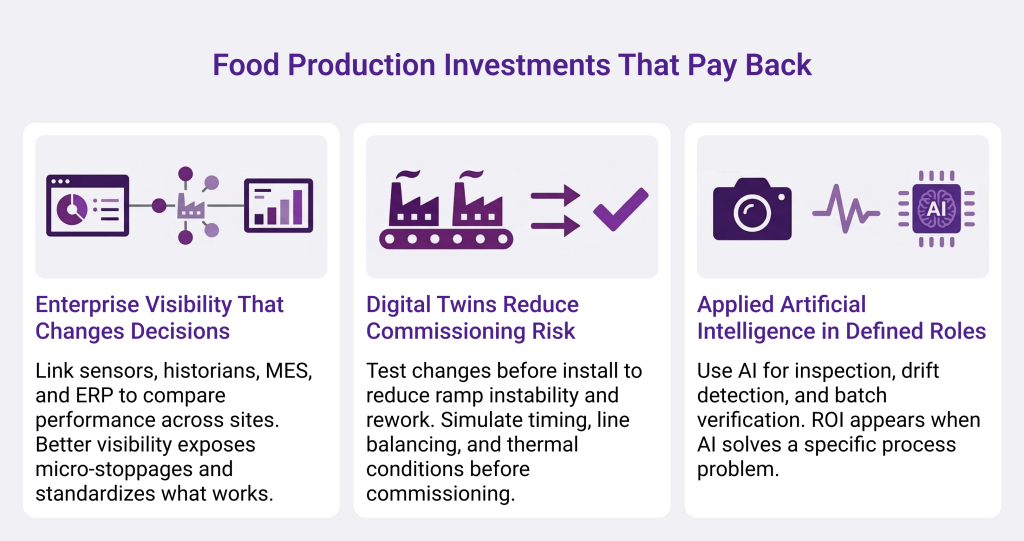
Multi-site operations often struggle to consistently compare performance. A structured data architecture linking sensors, historians, MES platforms, and enterprise resource planning (ERP) systems enables reliable comparison across lines and facilities.
One multi-site manufacturer discovered recurring micro-stoppages at a single facility during an overall equipment effectiveness (OEE) review. The investigation revealed inconsistent changeover sequencing embedded in the legacy logic. Standardizing the sequencing improved uptime without adding equipment.
Digital transformation (DX) programs grounded in strong control architecture tend to produce lasting results.
Digital Twins Reduce Commissioning Risk
Production changes always carry risks. Digital twins allow teams to test modifications before equipment is installed.
A digital twin functions as a simulation connected to production data. Engineers can model thermal parameters, line balancing, and timing before commissioning begins, particularly during major line upgrades or greenfield installations.
Testing these conditions early reduces ramp instability and rework. Adoption remains selective, but the value becomes clear in high-capital projects.
Applied Artificial Intelligence in Defined Roles
Artificial intelligence is being explored across many production environments. Value appears when AI is applied to clearly defined operational problems.
Vision inspection systems can identify seal integrity issues. Pattern recognition algorithms can detect process drift. AI can also verify clean-in-place (CIP) cycles against batch history.
AI cannot compensate for weak process design. It strengthens existing systems.
What to Build Toward by 2036
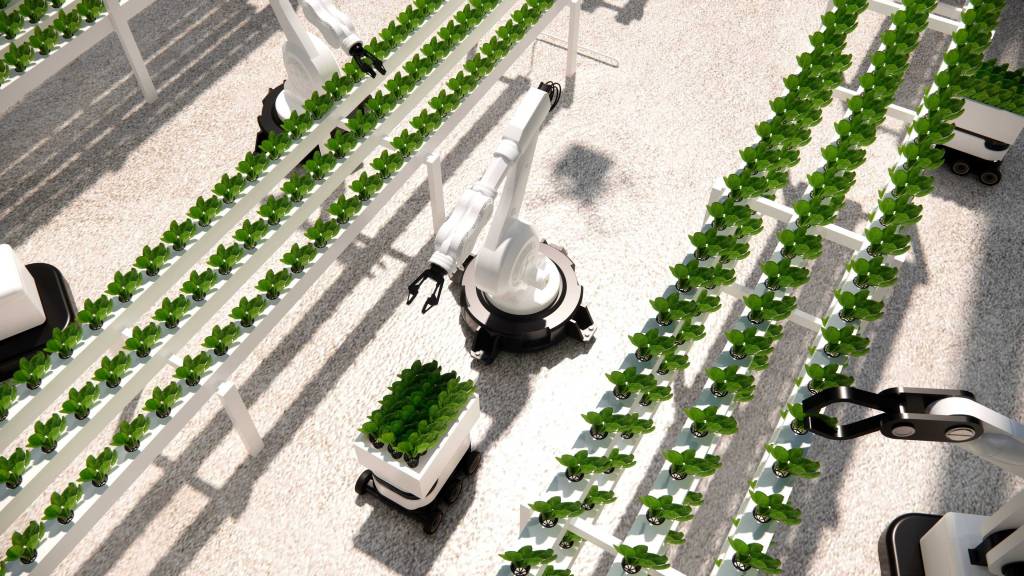
Manufacturers are beginning to prepare for the next stage of automation. Competitive advantages will increasingly depend on how effectively production systems integrate.
Several emerging capabilities are shaping long-term automation strategies.
Prescriptive Maintenance
Unexpected equipment failures continue to disrupt production schedules. Predictive maintenance helps identify failures before they occur.
Prescriptive maintenance goes further by adjusting operating conditions to extend asset life. As production data becomes more reliable, prescriptive maintenance in food manufacturing will shift from issuing alerts to performing controlled interventions on critical equipment.
Adaptive Manufacturing
As product variety continues to increase, production systems must adapt quickly.
Current lines still rely heavily on operator intervention to reconfigure processes. The next stage connects order data directly with sequencing logic.
Self-configuring production lines will adjust motion profiles and process parameters automatically based on scheduled demand. Modular equipment and software-defined control systems make this possible. Adoption will depend on how effectively production systems integrate.
Interoperability as Strategy
Multi-site organizations often struggle to align systems across plants. Open standards and application programming interfaces (APIs) reduce long-term vendor dependency.
Interoperability allows systems from different vendors to exchange data reliably. Companies that grow through acquisition benefit significantly from this capability.
By 2036, competitive advantage will not come from deploying the largest number of automation
systems. It will come from integrating systems coherently.
Using Production Data Intentionally
Modern production lines generate large volumes of data. Much of this information remains underused.
Correlating environmental conditions with product quality often reveals improvement opportunities without mechanical redesign.
Data becomes operational leverage when it is structured, governed, and reviewed consistently.
Making Better Automation Decisions
Operations leaders must evaluate automation investments while managing multiple operational pressures. Throughput limits, regulatory compliance, labor volatility, and quality exposure each require different responses.
Effective automation decisions begin with the operational problem rather than the technology. Plants that follow this approach avoid costly systems that increase complexity without solving the underlying constraint.
Integration strategy deserves the same level of scrutiny as equipment selection. Systems that complicate day-to-day operations rarely sustain adoption.
Engineering-focused automation integrators play an important role in this process. Firms such as EOSYS concentrate on factory controls, digital transformation, and risk-managed execution, building integration frameworks that allow complex industrial systems to operate reliably.
Long-term operational performance depends on integration done correctly.
Automation as an Operating Model
Food and beverage plants must maintain production while managing tighter traceability requirements and ongoing labor pressure. Automation is increasingly becoming the operating model that allows facilities to maintain consistency.
Plants that treat automation as a continuous operating model rather than a series of isolated projects build resilience over time. Strong control architecture, structured data, and interoperable integration paths provide the flexibility needed for the next decade.
The practical question remains simple. Will the current production architecture withstand the next wave of operational pressure?
Contact
When you need a scalable, low‑risk automation model, EOSYS builds architecture that delivers.
Questions Food & Beverage Plants Face in Today’s Automation Landscape
Plants are dealing with labor volatility, expanding product variety, and rising traceability expectations. These pressures expose weaknesses in manual processes and make structured control and reliable system integration essential for maintaining output.
High‑mix production increases the number of changeovers, and when parameters rely on manual adjustments or fragile sequencing, small delays accumulate into structural throughput loss. Centralized recipes and disciplined control logic reduce that variability.
Traceability requirements now demand that ingredient receipt, batch execution, packaging events, and shipment data be seamlessly connected. This level of accountability depends on aligned MES and SCADA systems, structured data, and control logic that embeds compliance directly into the process.
Many facilities operate equipment installed over decades, creating mixed OEM environments and inconsistent network standards. Full replacement is often too risky. Phased modernization and structured network redesigns allow plants to improve reliability without disrupting production.
The most measurable improvements come from stronger integration, disciplined control architecture, and better use of production data. Plants are using enterprise visibility to uncover hidden losses, digital twins to reduce commissioning risk, and edge computing to prevent yield loss in real time.