August 7, 2026
Control System Readiness: Where the AI Mandate Meets the Plant Floor
Leadership sets the AI timeline. The plant floor holds the infrastructure reality. Operations leaders are caught between both.
The conversation about AI sounds different depending on where you sit.
Leadership sees competitive pressure, investment timelines, and the need to move. The plant floor faces aging infrastructure, undocumented systems, and the risk of adding another layer of complexity to equipment that must keep running.
Both sides are acting in good faith and don’t seek to contradict each other. The distinctions emerge because they see the problem through different lenses. And the operations leader usually sees both views at once.
That gap in perspective is where AI initiatives break down.
What AI Has to Run On
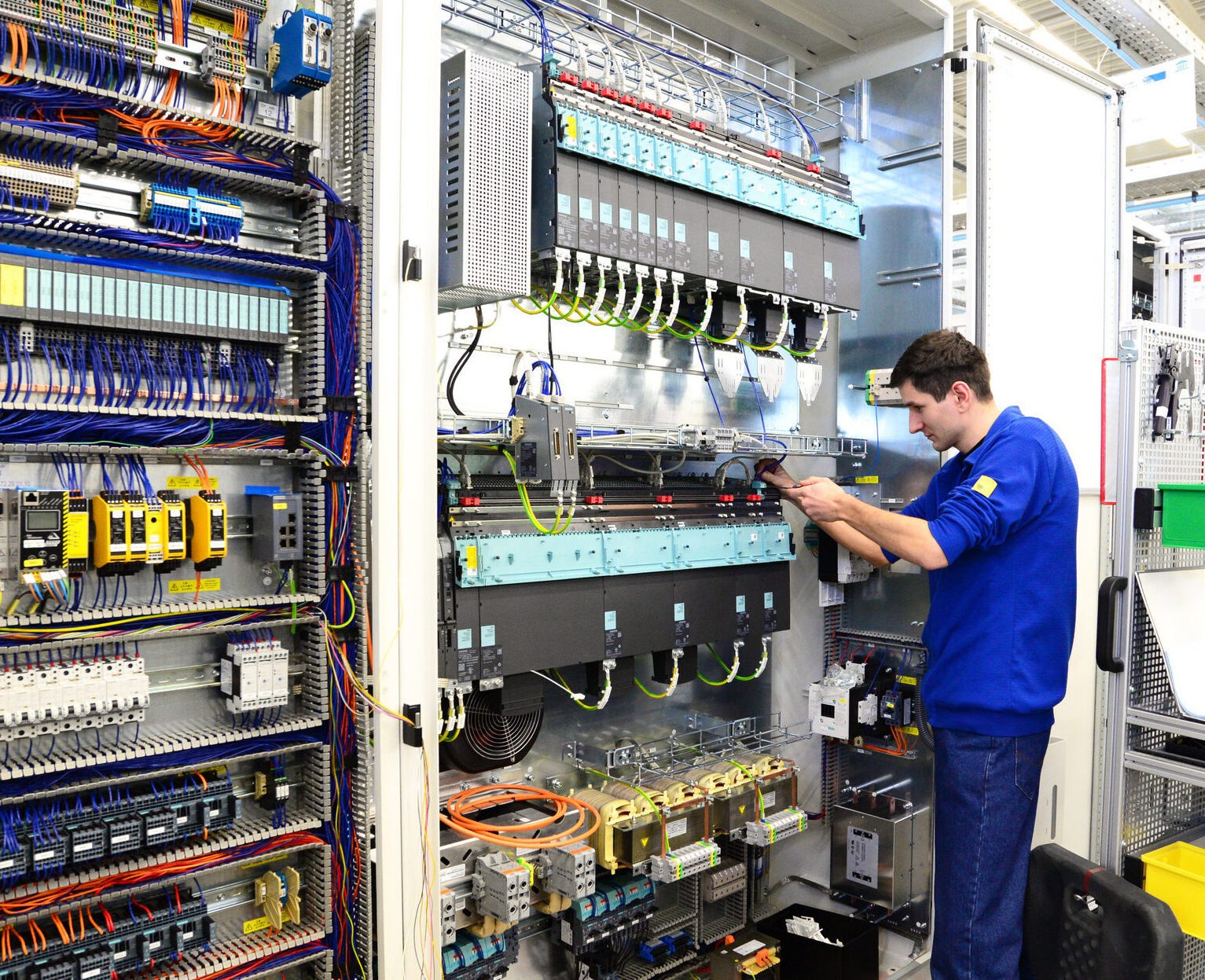
Walk through many manufacturing facilities today, and you’ll find the same contradiction. The control systems running production were typically installed long before anyone was talking seriously about using AI on the plant floor.
That gap rarely shows up in the business case for AI initiatives.
The hardware is not failing. That’s actually part of the problem.

A control system that runs flawlessly for 15 years creates little visible pressure to modernize. The plant rewards uptime. It doesn’t automatically reward extensibility.
Successful AI in manufacturing requires more than traditional control systems. It needs consistent data output, network connectivity to the right systems, and firmware that remains under active vendor support.
Keeping production moving is one standard. Preparing the control layer for AI is another. That challenge is what the control system condition measures in the context of AI readiness.
Many manufacturers hit a wall when they try to scale AI on brownfield infrastructure. Capgemini puts that figure at 60% of those actively advancing digital investment.
The control layer is where these challenges are concentrated. IT/OT convergence and data readiness depend on the hardware beneath them.
Ultimately, aging or unsupported control systems leave gaps that no software layer can fill.
What Shows Up When AI Launches Prematurely
These infrastructure conditions show up repeatedly when an AI deployment reaches an unprepared control environment. All are findable before a vendor shows up.
Common Control System Gaps That Surface Mid-ProjectNo Current Asset Inventory. The deployment team finds PLC age, unsupported firmware, and undocumented configurations during implementation rather than before scoping. End-of-Life Hardware Running Production. A system that goes down cannot be AI-enabled while the team waits for parts that no longer ship. Firmware Outside Active Vendor Support. It cannot be patched. That makes it a reliability issue and a security risk. No Documented Remediation Plan. Scoping conversations become guesswork when no one has mapped the distance between the current state and what deployment requires. |
These are not unusual failure modes. They are common sources of cost overruns and schedule delays when controls are modernized. All four could be discovered and remediated before a vendor shows up.
The Person Holding Both Conversations
The operations leader caught between leadership's AI timeline and a plant floor that has not been properly assessed or prepared puts AI projects at risk without a framework that translates between the two.
Leadership wants a timeline. The floor has hardware gaps that no one has named yet.
An assessment turns that tension into an unbiased and documented readiness conversation. Without it, the gaps surface as change orders. Timelines compress. The AI initiative takes the blame.
But in this case, the AI itself was not the constraint. The control system was.
That distinction is important because it changes how leadership decides what to do next. If the AI project failed, the instinct may be to pause. If the control layer were not ready, the next move would look different. Assess the infrastructure, sequence the remediation, and scope the initiative against what the plant can actually carry.
Control System Readiness Falls Into Three Tiers
AI readiness in manufacturing comes down to five dimensions: data infrastructure, IT/OT convergence, control system condition, governance and change management, and workforce capability.
Your control system condition tells you what AI work makes sense now and what has to happen first.
 | Foundation. Significant remediation is needed before deployment makes sense. That is a sequencing finding, not a verdict. |
 | Transition. The control environment is mixed. Some systems are current and capable. Others are aging, unsupported, or poorly documented. Start where the infrastructure is ready and build a remediation plan for the rest. |
 | Deployment Ready. The control layer is current, documented, supported, and able to carry what AI requires. No wholesale replacement is needed before the next step. Resource: E-Guide | Am I Ready |
Most manufacturers with aging infrastructure are somewhere in the middle. Not blocked. Just not fully ready yet either.
Start Where the Floor Is Ready
Despite what many manufacturers fear, legacy control systems and older PLCs don’t always require full replacement before AI work can begin.
In some environments, edge devices and protocol converters can pull data from older controllers without changing the original machine or risking uptime.
That’s why mapping the controls challenge comes first. Solving it comes next.
The work is sequenced, not wholesale. That makes it more palatable for both leadership and operators on the plant floor.
Steve Orth, VP of Engineering at EOSYS, often sees this misconception.
"It doesn't matter how many instruments you have. All that matters is how many of them are connected back and collecting data in a central location, or at least an accessible location, that the tools can then use to process that data."
– Steve Orth
AI projects that seemed destined for success because they were scoped to clean, bounded datasets often break down when they reach a production control environment that was never assessed.
When the project falls short, the AI initiative takes the blame. Meanwhile, the control system was the constraint.
Leadership and the plant floor are both right about what they see.
An assessment of whether your control system supports their vision for AI does not delay the initiative. It keeps the requirements synced with what the plant can actually run.
Know Where Your Control Infrastructure Stands
The control layer decides what AI work is possible right now. The AI Readiness Assessment shows where a plant stands and the four other factors that shape readiness.
Dimension 3 results point to where to start.
Questions Operations Leaders Are Already Asking About Control Systems and AI Integration
AI does not run on software alone.
It depends on hardware that can collect data consistently, connect to the right systems, and remain under active vendor support.
A PLC may keep production moving and still be unprepared for AI if it cannot handle additional data collection or integration. Control system condition is one of five dimensions ((LINK)(/insights/industrial-ai-readiness-control-system-condition) that determine whether an AI initiative can move from pilot to production.
Not necessarily.
Many manufacturers in a Transition environment start AI work where the infrastructure is current, then build a remediation plan for the rest.
In some cases, edge devices and protocol converters can pull data from older controllers without changing the original hardware. The assessment identifies which areas are ready now and which need work first.
Start with three questions: Is the hardware still under active vendor support? Can the firmware be patched? Do you have an accurate asset inventory that includes age and support status for each system?
If the answer to any of those is no or not sure, the control layer has gaps that need to be addressed before a vendor is engaged.
That usually points to a Transition profile.
It is not a barrier to getting started. It is a sequencing problem.
The AI initiative starts where the infrastructure is currently. Remediation work can run in parallel, with priorities assigned to areas where improved infrastructure will enable the next use case.
The goal is a phased path forward, not a plant-wide capital project before anything moves.
The gaps show up anyway, just later and at higher cost.
Unknown equipment ages, unsupported firmware, and missing remediation plans surface as change orders and compressed timelines during implementation.
When the project falls short, the AI initiative takes the blame. The control system was the constraint. The assessment surfaces that before a vendor is engaged, not after.