April 3, 2026
Driving Industry 4.0 Manufacturing Through Digital Transformation
How digital transformation in manufacturing drives connected systems and operational data for Industry 4.0 outcomes.
Executives often frame digital transformation as a strategic initiative. In manufacturing, it’s an operational requirement that plays out on the plant floor. Leaders cannot modernize a factory from a conference room, and Industry 4.0 outcomes do not come from dashboards or isolated software purchases.
Strategy creates value only when it translates into coordinated action across day-to-day production.
This exposes a persistent challenge. Closing the execution gap between business intent and operational performance. Industrial digital transformation requires confronting constraints of manufacturing operations and coordinating equipment, controls, and enterprise systems.
At a strategic level, digital transformation in manufacturing is the integration of systems, machines, and people so they operate together reliably.
When alignment replaces fragmentation, production becomes more predictable, throughput stabilizes, and operational data can be used consistently.
Digital Transformation in Manufacturing: What It Is and What It Solves
In operational terms, digital transformation in manufacturing moves production from manual or disconnected workflows to integrated, data-driven systems. It depends on process alignment, dependable operational data, and connected platforms that enable timely operational insight.
Digital Transformation Addresses Core Manufacturing Challenges
- Fragmented equipment and IT/OT systems. Disconnected machines, control systems, and enterprise platforms restrict data flow, limiting coordination across operations and the wider business.
- Inconsistent or delayed production data. Manual collection and unaligned systems introduce reporting delays and accuracy issues, reducing responsiveness to performance problems.
- High variability and downtime. Limited visibility into equipment and process conditions increases downtime and variability, reducing overall equipment effectiveness (OEE).
- Inefficient workflows and decision-making. Manual handoffs, duplicate data entry, and unclear system ownership slow execution and increase error rates, making timely decisions harder.
Overcoming these challenges requires coordination across plant and enterprise systems. Digital transformation does not succeed through isolated tools or limited pilots. It links machines, controls, networks, and workflows so operational data can be used consistently on the plant floor.
Why This Matters: The Cost of Standing Still
Manufacturers face rising complexity, labor constraints, and increasing customer demands. Fragmented systems and disconnected workflows introduce costs that affect both daily operations and long-term digital maturity.
Manual tracking and redundant reporting consume time. Equipment issues and inconsistent processes increase downtime and reduce output.
Delayed or unreliable data slows decisions, while misaligned systems increase exposure in compliance, quality, and safety.
These constraints limit responsiveness, increase competitive pressure, and hinder growth. Digital transformation delays carry measurable costs, including lost productivity, slower innovation, and reduced capacity to scale.
How Digital Transformation Works on the Plant Floor

On the plant floor, digital transformation takes shape through integrated manufacturing systems and coordinated equipment connectivity.
These systems connect machines, controls, and production data, turning machine signals into operational insight.
Sensors, PLCs, and SCADA systems enable equipment connectivity and the direct capture of production data from operations.
This infrastructure ensures machines feed into a shared data environment.
That data is organized and used by Manufacturing Execution Systems (MES) to coordinate scheduling, quality checks, and maintenance activities. Together, these systems enable a connected production environment that responds more quickly to operational conditions.
Research and case studies show manufacturers moving from isolated pilots to measurable gains by following structured transformation programs and integrating digital systems at scale.
Industry 4.0: What It Means in Practice
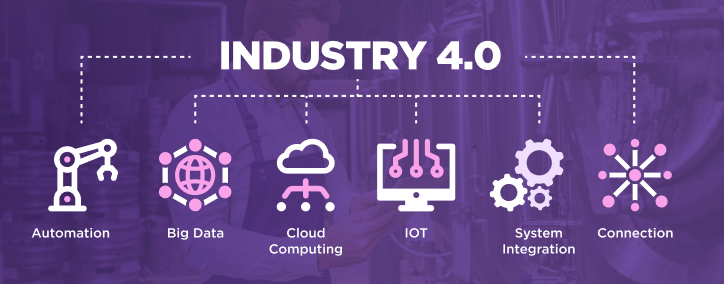
Industry 4.0 emerged in Germany in 2011 as part of the Fourth Industrial Revolution, aiming to create connected and automated factories. It integrates physical equipment, cyber-physical systems, and enterprise platforms to improve efficiency, flexibility, and responsiveness.
A peer-reviewed case study of a medical device manufacturer shows how Industry 4.0 efforts progressed from basic digitalization to platforms that use machine data and analytics to improve operational performance and sustainability.
Industry 4.0 emphasizes real-time visibility, predictive maintenance, quality monitoring, and cross-OT/IT coordination. These capabilities help flexible production and data-driven decisions, enabling manufacturers to adapt and optimize performance.
Instead of a single technology, Industry 4.0 provides a framework for building resilient and scalable manufacturing systems. Connected manufacturing and cyber-physical systems work together to improve operational consistency and long-term performance.
The Relationship Between Digital Transformation and Industry 4.0
Manufacturers often hear digital transformation and Industry 4.0 discussed together, but the connection between them is what determines outcomes. Digital transformation provides the execution path that turns strategy into changes on the plant floor. Industry 4.0 supplies the framework for connected manufacturing and cyber-physical systems.
A defined roadmap and execution framework align technology, processes, and people so Industry 4.0 initiatives translate into operational results.
When this connection is missing, even well-planned programs stall. Strategy and execution must operate together for manufacturers to achieve scalable, sustained performance from Industry 4.0 manufacturing.
What Stalls Progress: Common Barriers and Failure Modes
Manufacturers pursuing digital transformation frequently encounter operational and technical barriers when their strategies meet plant-floor realities. Industry 4.0 initiatives often falter in brownfield environments where legacy equipment and control systems limit integration.
Siloed ownership across OT, IT, and operations slows decisions and hinders consistency. Skills gaps and resistance to change lead to uneven adoption of new workflows. Technology-first efforts without coordinated process synchronization often produce scattered, low-impact results.
Recognizing these barriers early allows teams to plan phased implementation paths that maintain system consistency and enable measurable progress.
The Layers Behind the Curtain: What Digital Transformation Requires
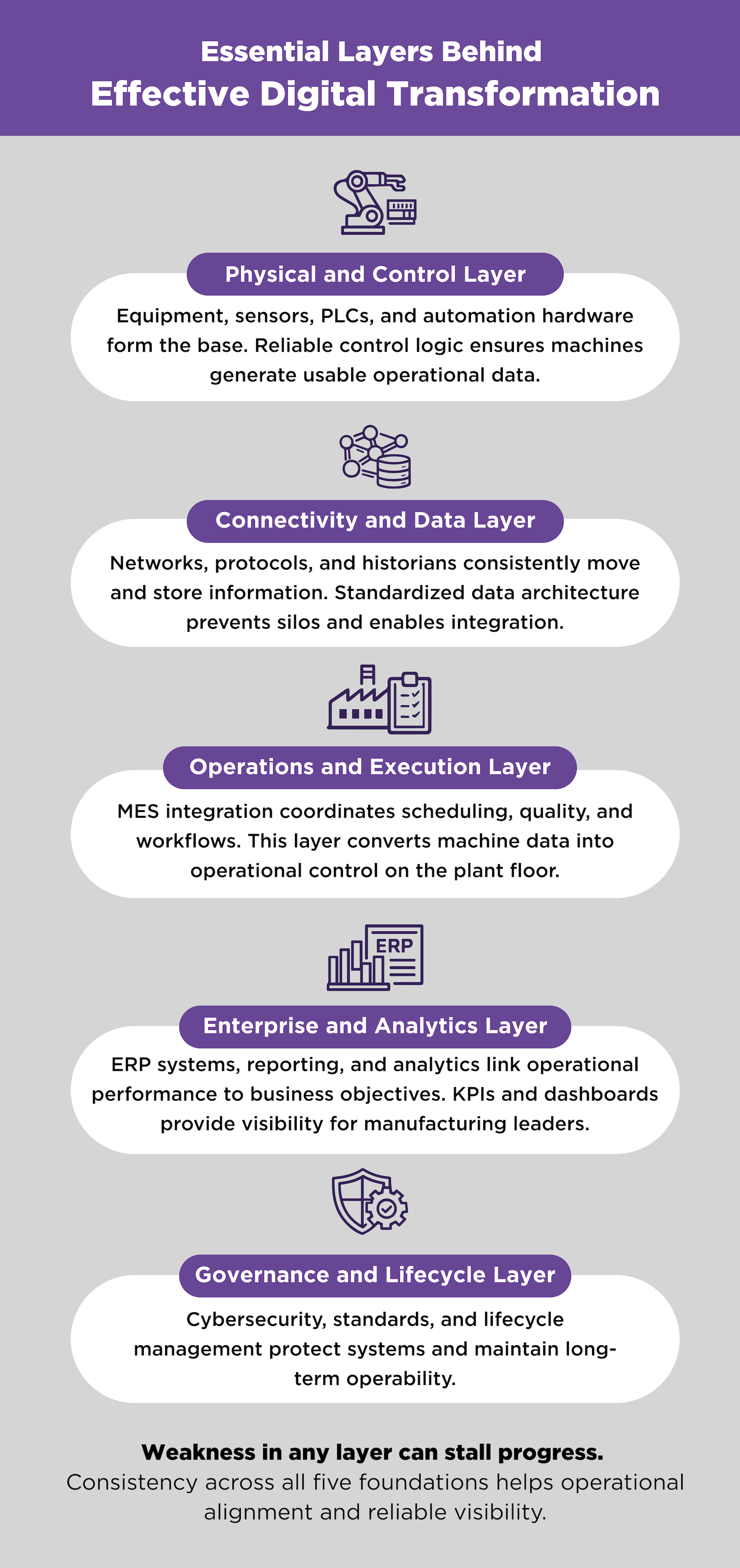
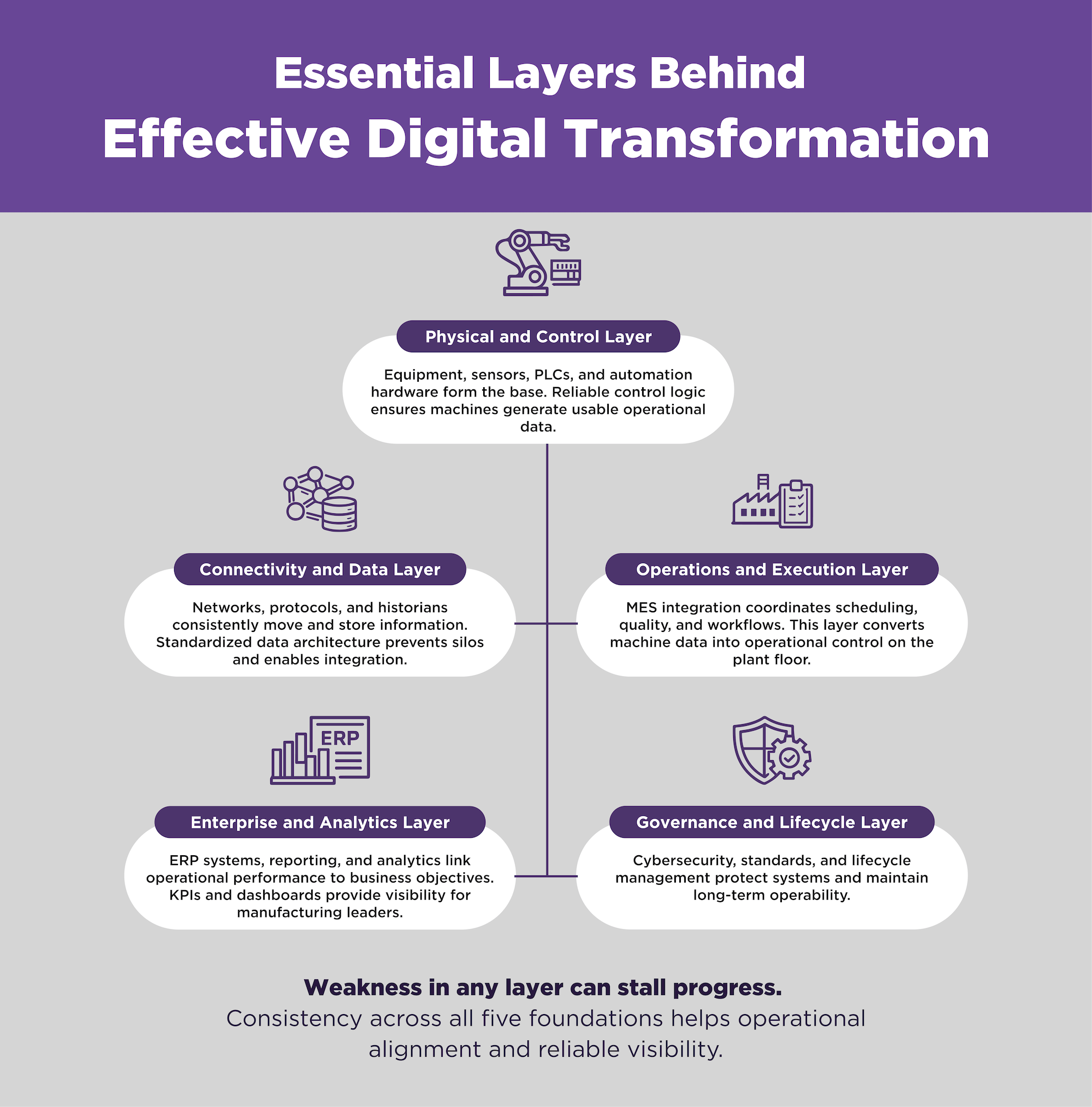
Digital transformation is a layered system that must operate end-to-end, with each layer reinforcing the others. Effective digital transformation in manufacturing depends on five foundational layers working together to create resilient, data-driven operations.
Weakness in any layer can stall progress. Consistency across all five foundations helps operational alignment and reliable visibility.
Outcomes and Benefits When Digital Transformation Works
Digital transformation delivers operational outcomes that directly affect manufacturing performance. Integrating equipment, controls, workflows, and enterprise systems gives teams visibility into operations and the ability to respond to change on the plant floor.
Key Outcomes of Digital Transformation
|
Process transparency and control Production activity becomes visible in real time, enabling proactive management and efficient resource use. |
Reduced variability and downtime More predictable processes reduce disruptions and enable higher equipment effectiveness. |
|
Faster decision-making Consolidated operational data shortens response times and reduces reliance on delayed reporting. |
Scalability and resilience Integrated systems and standardized workflows help drive growth, introduce new product lines, and adapt to changing demand. |
These outcomes improve day-to-day performance and enable stable, adaptable manufacturing operations.
Building Resilient and Sustainable Production with Industry 5.0
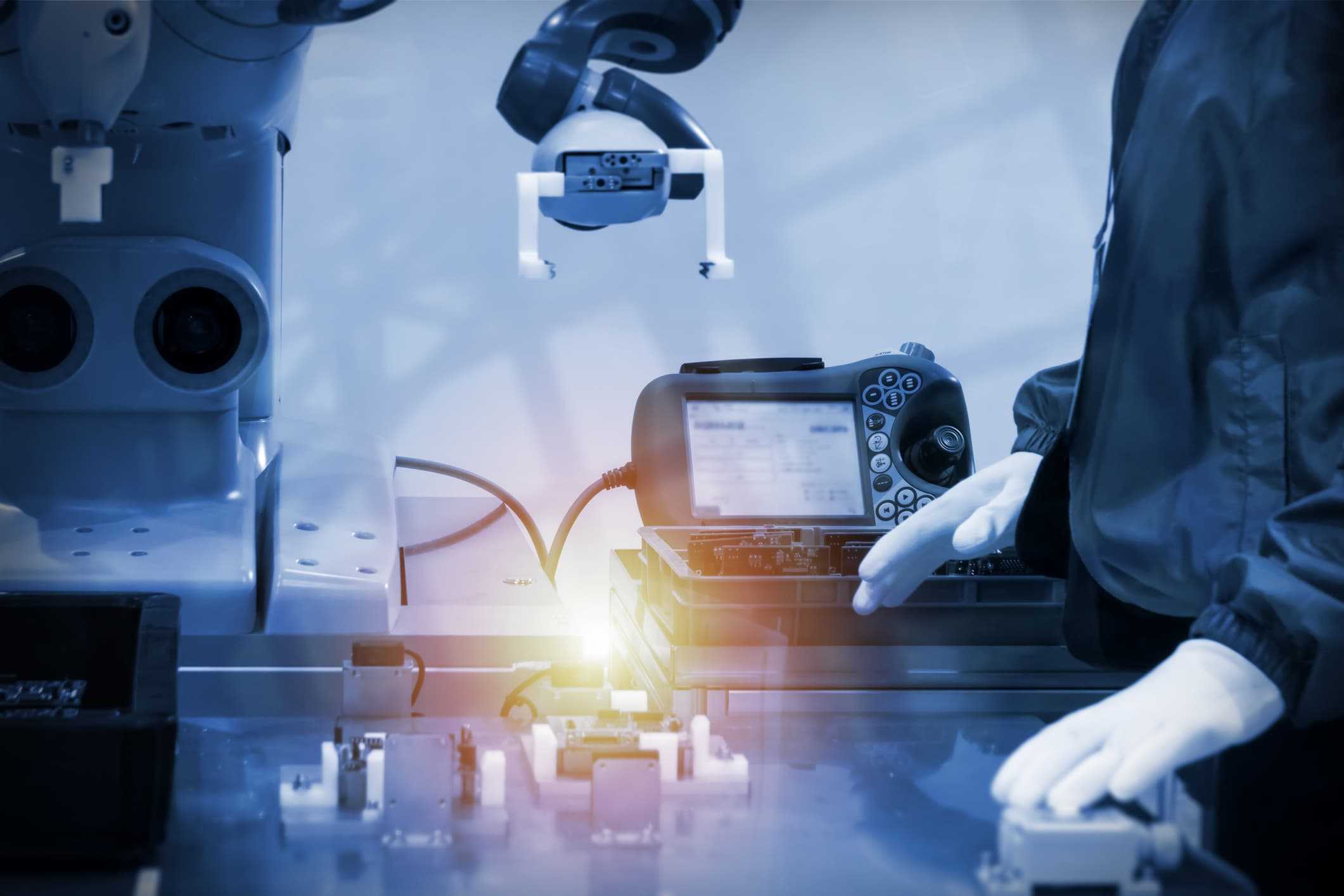
Industry 4.0 establishes the execution framework by integrating machines, controls, and enterprise systems into connected production environments.
With this foundation in place, manufacturers can extend beyond automation and visibility toward resilience and sustainability.
Industry 5.0 shifts emphasis toward human-centric collaboration, adaptability, and responsible production.
Operators apply judgment and problem-solving skills while systems adapt to disruptions, resource constraints, and environmental requirements.
Industry 5.0 builds on Industry 4.0 principles, guiding factories toward adaptability and long-term sustainability. Connected systems and integrated workflows enable human-centred production models.
Industry 4.0 provides execution discipline, while Industry 5.0 defines the direction for resilient manufacturing.
Turn Strategy into Action in Industry 4.0 Manufacturing
Digital transformation in manufacturing requires coordinated system execution across plant and enterprise environments. A defined Industry 4.0 roadmap ensures that technology, processes, and data operate together.
Partnering with engineering-led integration teams such as EOSYS helps manufacturers translate strategy into production outcomes and close gaps between planning and operations.
Questions on Digital Transformation in Manufacturing
It’s the coordination of equipment, workflows, and systems to generate reliable operational data and help manufacturing operations.
Digital transformation enables execution, while Industry 4.0 defines the connected manufacturing framework.
Common barriers include legacy systems, siloed teams, skills gaps, and disconnected implementation efforts.
It helps operational visibility, reduces downtime, shortens decision cycles, and enables scalable production.
Yes. Industry 5.0 initiatives depend on the digital and system foundations established through Industry 4.0 implementation.