March 25, 2026
OT in Manufacturing: Building Reliable Automation Systems for Connected Operations
Connected OT networks replace standalone equipment. Here's what keeps integrated systems reliable.
Manufacturing floors used to be filled with machines that worked alone. Now, those same lines continuously share data and status updates across the plant.
If one controller fails, it can throw off several systems. Reliability is now about how the whole network holds up when something changes, not whether a single machine is running.
The main concern is no longer just keeping a machine running.
Instead, it’s whether the whole system can keep up when new equipment is added, software is updated, or production ramps up.
This higher standard for reliability means that poor design, unclear connections between systems, or untested changes can quickly lead to costly problems.
What OT Is
OT is the operational layer that keeps products moving on the factory floor. It refers to the hardware and software designed to monitor and control industrial equipment and processes.
Common OT components include programmable logic controllers (PLCs), human-machine interfaces (HMIs), motor drives, robotic arms, sensors, and the industrial networks linking them.
OT is distinct from information technology (IT). IT manages business data and corporate applications, whereas OT governs physical machines and processes on the shop floor.
In practice, a manufacturing execution system (MES) or a PLC in the OT environment might feed data to an enterprise resource planning (ERP) system on the IT side.
This growing integration means OT systems increasingly share data with MES, ERP, cloud analytics, and other business platforms to improve decision-making.
Why OT Matters More Now
In connected factories, even a small change to an OT system can affect the entire operation.
A simple adjustment to the control logic might slow production or affect quality across several lines. Changing a network setting on one machine could cause downtime for an entire section.
Because everything is so closely linked, a single OT issue can bring an entire part of the plant to a halt. That’s why OT reliability is now at the heart of both daily operations and business results.
Reliable OT systems are now the foundation for any digital upgrades in manufacturing.
Efforts like advanced analytics or predictive maintenance only work if OT data is steady and systems stay online. Without strong OT reliability, modern plants can’t reach high output or maintain quality as they grow.
Evolving Reliability
Reliability in manufacturing isn’t just about how long a machine lasts.
Mechanical issues still matter, but now software and networks are just as important. A software glitch or a network overload can stop production as quickly as a broken motor.
The real question is whether the whole system will keep working as expected when things change or the workload increases.
New Dependencies to Manage
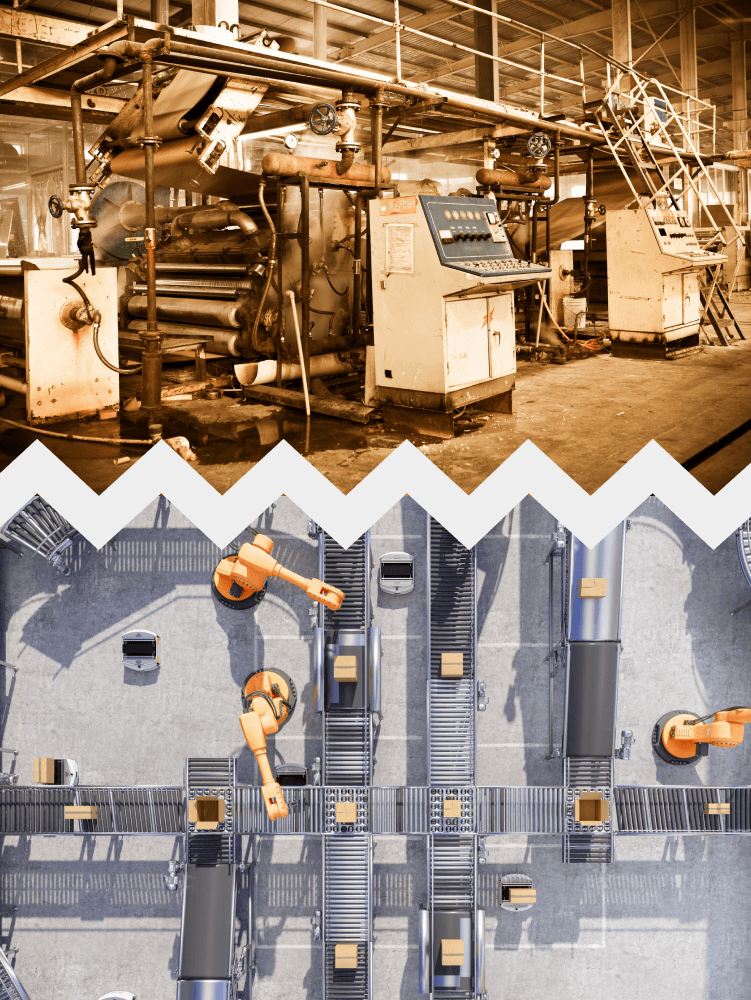
In the past, production lines operated independently.
Now, they are connected to maintenance tracking, analytics dashboards, and planning tools.
These links create new dependencies that need careful management.
Every connection between systems is a possible weak spot if it isn’t clearly set up and maintained.
A change in one area can quickly affect others if there aren’t strong controls in place.
When OT data is kept separate, problems begin to surface.
If an ERP system doesn’t get real-time information from the shop floor, inventory numbers become unreliable, and it gets harder to plan production.
Multidisciplinary Reliability
Keeping today’s production systems running smoothly takes a mix of skills. Mechanical, electrical, controls, and network know-how all matter.
For example, a robot’s output depends on both its physical condition and the stability of its control software.
A network problem might appear to someone on the shop floor as a broken machine until IT tracks down the real cause.
Managing OT reliability well means bringing together teams that understand the whole system.
Maintenance staff, controls engineers, IT experts, and operators all need to work together to solve problems and build stronger systems.
Reliability as a Shared Responsibility
Building reliable systems starts with the design phase. Controls, IT, operations, and maintenance teams all share this responsibility.
Everyone should be involved early when new automation is planned, or legacy systems are upgraded. Bringing in an expert controls engineering partner from the beginning helps create a stronger design.
While IT teams focus on integration and network needs, operations and maintenance staff offer insight into how systems will be used and maintained over time.
Working together early helps avoid problems, such as IT network rules that later conflict with what control systems need.
Clear requirements and documentation set out how the automation should work in real-world conditions.
Architecture and Discipline Over Quick Fixes
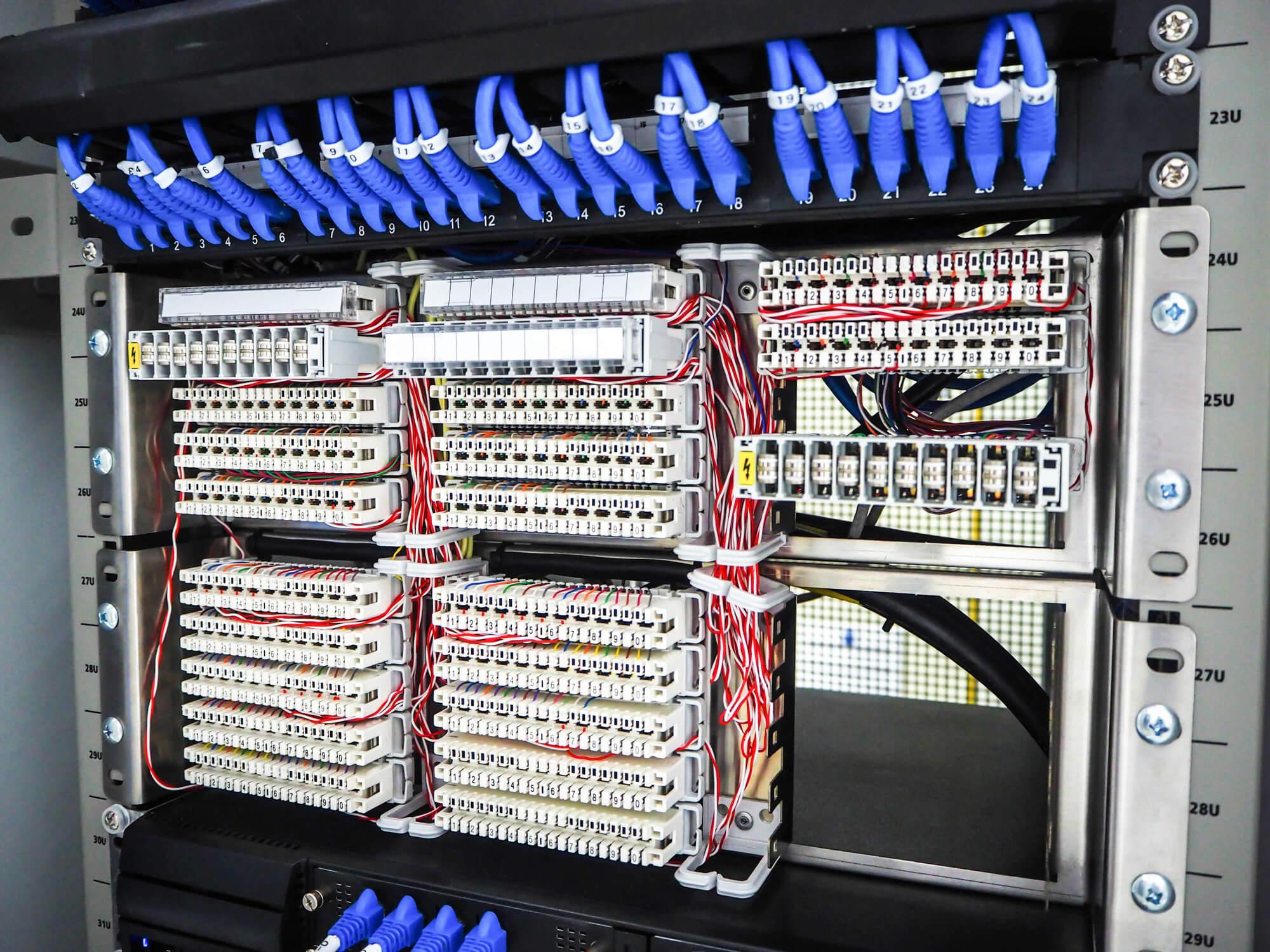
Making OT systems resilient takes careful planning and solid design, not just quick fixes.
Leading plants rely on modern OT architectures with layered designs and system boundaries to contain issues.
Networks are segmented, and critical control loops are isolated so a fault in one area does not spread across the plant.
Redundancy is built in as well.
Backup controllers or alternative network paths can take over if a component fails, reducing single points of failure and limiting downtime.
Careful setup and strict change management are just as important.
Using standard configurations and strict change controls reduces the risk of mistakes that could cause problems.
Instead of always reacting to breakdowns, teams work to design systems that can handle faults and keep running.
The aim is an OT setup that stays stable, even when parts fail or updates are made.
Let’s talk about the DX Accelerator™ to map strategy and operational challenges
Continuous Adaptation
Change is now a regular part of manufacturing. New product lines, software updates, and new equipment are added all the time. OT systems need to be built to adapt, not just stay the same.
This means they must be flexible and thoroughly tested.
Many manufacturers now use simulation tools or digital twins to test changes before making them on real equipment.
Updates are rolled out carefully to avoid surprises on the production line. Feedback from the plant floor is routed back to engineering teams so they can fine-tune settings and spot problems early.
In short, modern OT design expects change and plans for it. Systems are built to handle updates and upgrades smoothly.
Rather than avoiding change, teams make it part of regular reliability programs, using careful testing and step-by-step rollouts to prevent improvements from causing instability.
OT as Strategic Infrastructure
Automation networks and control systems are now core infrastructure for manufacturers.
OT is just as important for staying competitive as supply chains or new products. When OT systems are reliable, plants can ramp up production and launch new products without long delays.
A solid OT foundation lets plants retool and expand quickly, because the systems underneath are both flexible and stable.
This makes operations more agile and better able to meet changing market needs. On the other hand, weak or isolated OT setups can hold back growth.
That’s why many leaders now see investing in OT reliability and modern design as a way to build long-term strength and flexibility for their business.
Key OT Questions Manufacturing Teams Keep Asking
OT (operational technology) refers to the hardware and software that control machines and processes on the factory floor. IT targets business systems data management, and corporate applications.
Because manufacturing systems are increasingly interconnected. A single OT fault can affect multiple lines or entire cells, making reliability essential for consistent production.
Robust design and planning are key. Standardized architectures, advanced testing using simulations, and disciplined change management all help reduce risk and improve stability.
It’s a shared responsibility. Operations, maintenance, engineering, and IT teams all play a role in maintaining reliable OT systems.
An OT network connects industrial devices like PLCs, sensors, and HMIs, letting machines and control systems communicate in real time and operate as an integrated system.